dumpstool logo

Refer to the exhibit, which shows a partial output of the real-time LDAP debug.
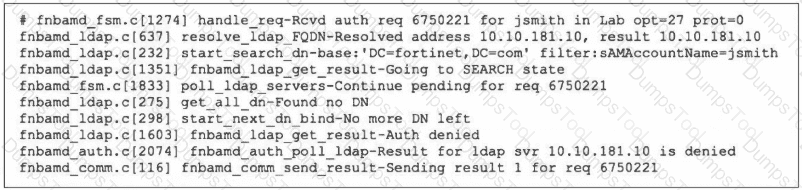
What two actions can the administrator take to resolve this issue? (Choose two.)
Refer to the exhibit, which shows one way communication of the downstream FortiGate with the upstream FortiGate within a Security Fabric.
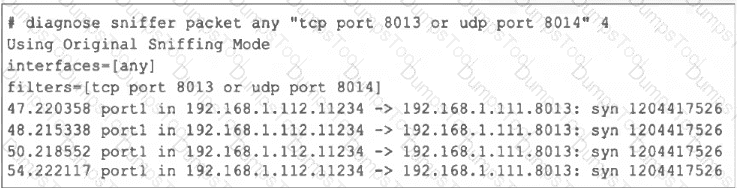
What three actions must you take to ensure successful communication? (Choose three.)
Exhibit.
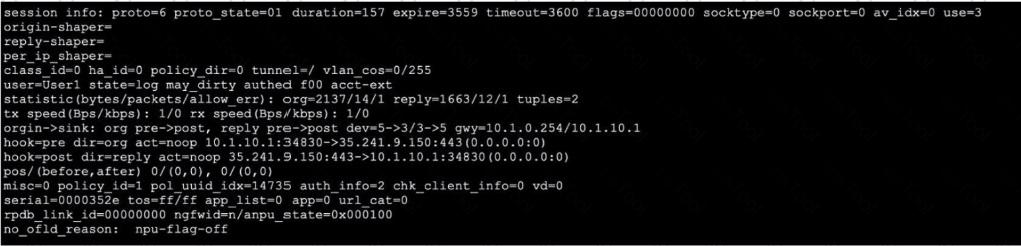
Refer to the exhibit, which shows the output of a session. Which two statements are true? (Choose Iwo.)
Exhibit.

Refer to the exhibit, which shows two entries that were generated in the FSSO collector agent logs.eeeeeeeeeeeeeeeeeeeeeeeeeeeeeeeeeeeeeeeeeeeeeeeeeeeeeeeeeeeeeeeeeeeeeee
What three conclusions can you draw from these log entries? {Choose three.)
Refer to the exhibit.
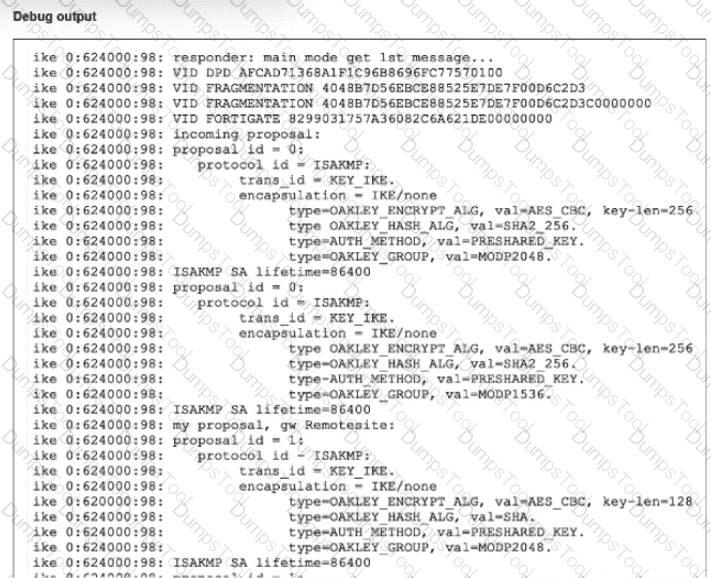
A partial output from an IKE real-time debug is shown
The administrator does not have access to (he remote gateway
Based on the debug output, which two conclusions can you draw? (Choose two.)
Which Iwo actions does FortiGate take after an administrator enables the auxiliary session selling? (Choose two.)
Refer to the exhibit.
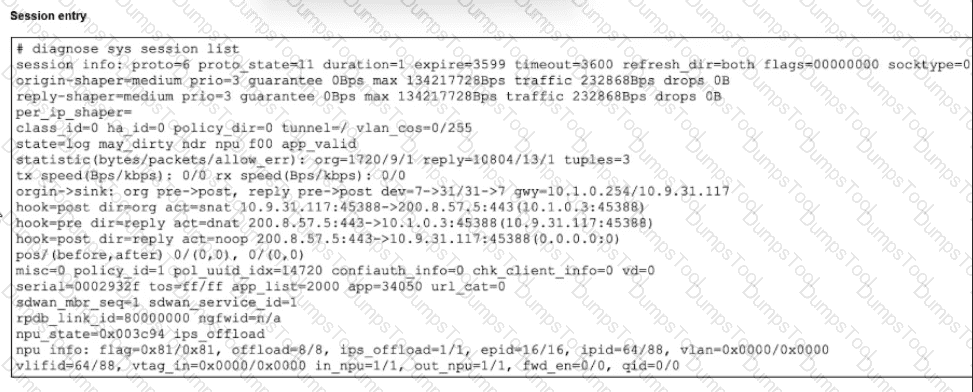
The exhibit shows a session entry. Which statement about this TCP session is true?
Consider the scenario where the server name indication (SNI) does not match either the common name (CN) or any of the subject alternative names (SAN) in the server certificate. Which two actions will FortiGate take when using the default settings for SSL certificate inspection? (Choose two answers)
Refer to the exhibit.
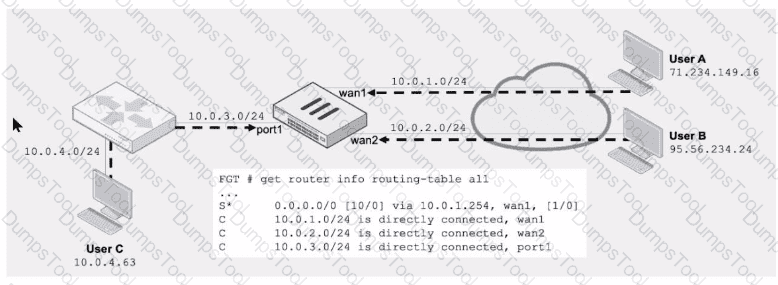
Assuming a default configuration, which three statements are true? (Choose three.)
What are two reasons you might see iprope_in check () check failed, drop when using the debug How? (Choose two.)
What is the diagnose test application ipsmonitor 5 command used for? (Choose one answer)
The local OSPF router is unable to establish adjacency with a peer.
Which two things should the administrator do to troubleshoot the issue? (Choose two.)
Which Iwo troubleshooting steps should you perform lf you encounter issues with intermittent web filter behavior? (Choose two.)
What are two reasons that an OSPF router does not have any type 5 tank-state advertisements (LSAs) In its link-stale database (LSD6)? (Choose two.)
An administrator wants to capture encrypted phase 2 traffic between two FotiGate devices using the built-in sniffer.
If the administrator knows that there Is no NAT device located between both FortiGate devices, which command should the administrator run?
Refer to the exhibit, which shows the port1 interface configuration on FortiGate and partial session information for ICMP traffic.

What happens to the session information if a routing change occurs that affects this session?
Exhibit 1.
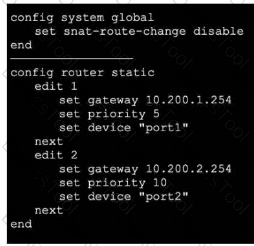
Exhibit 2.
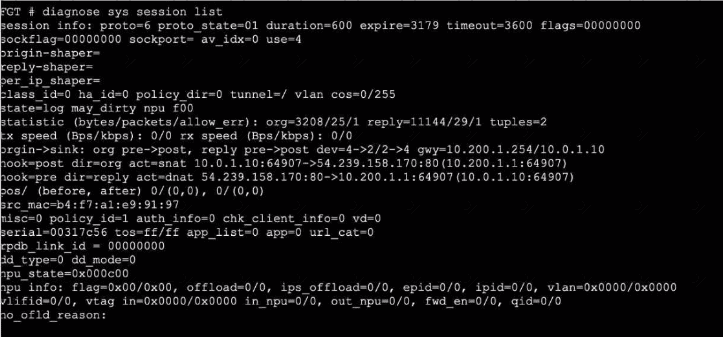
Refer to the exhibits, which show the configuration on FortiGate and partial internet session information from a user on the internal network.
An administrator would like to lest session failover between the two service provider connections.
Which two changes must the administrator make to force this existing session to immediately start using the other interface? (Choose two.)
Exhibit.
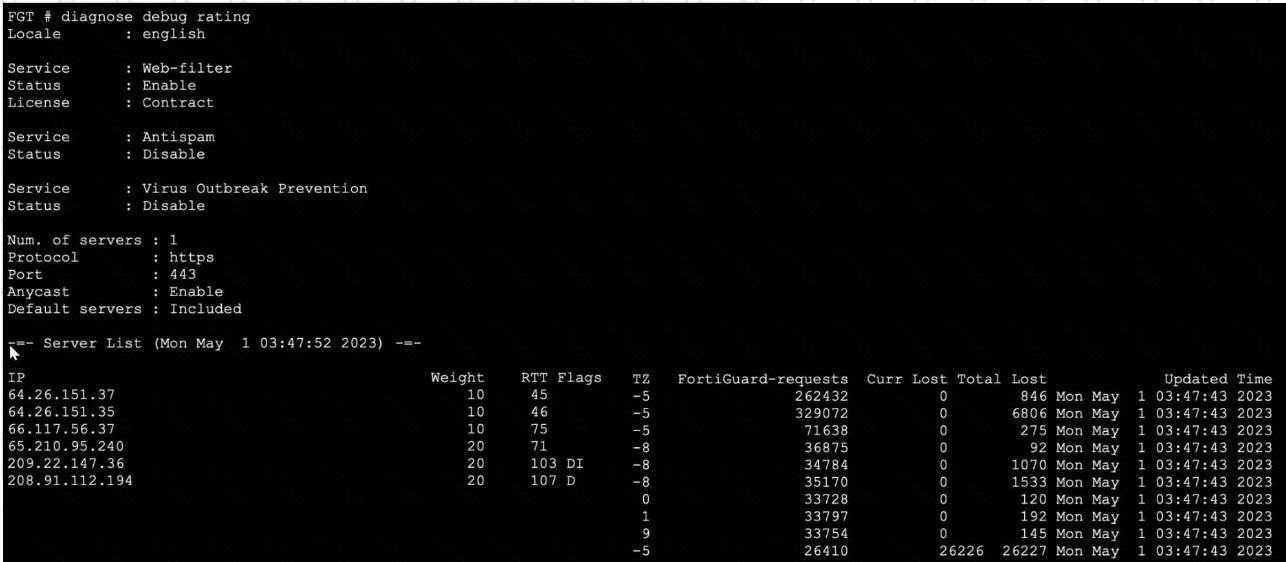
Refer to the exhibit, which shows the output of a diagnose command.
What can you conclude about the debug output in this scenario?
Refer to the exhibit, which shows the modified output of the routing kernel.
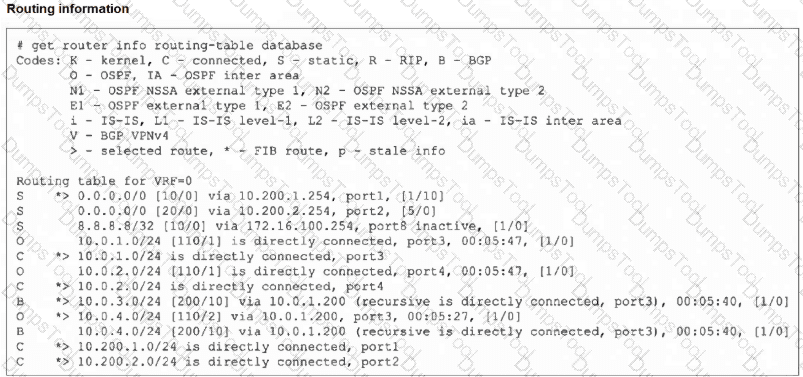
Which statement is true?
Refer to the exhibit.
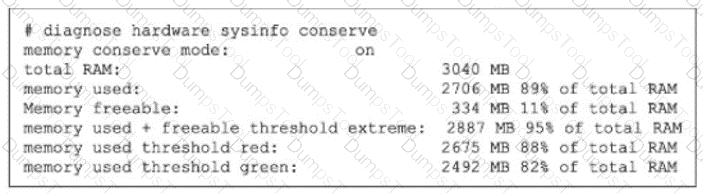
If the default settings are m place, what can you conclude about the conserve mode shown in the exhibit?
Refer to the exhibit, which shows the partial output of a diagnose command.
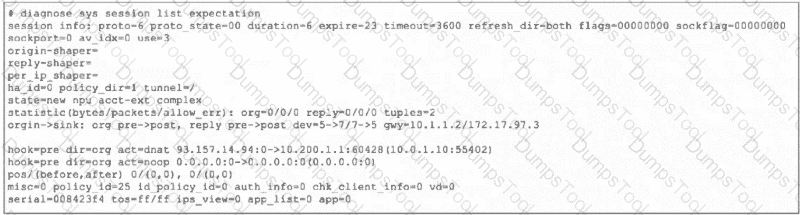
Which two conclusions can you draw from the output shown in the exhibit? (Choose two.)
What is an accurate description of LDAP authentication using the regular bind type?
Refer to the exhibit.
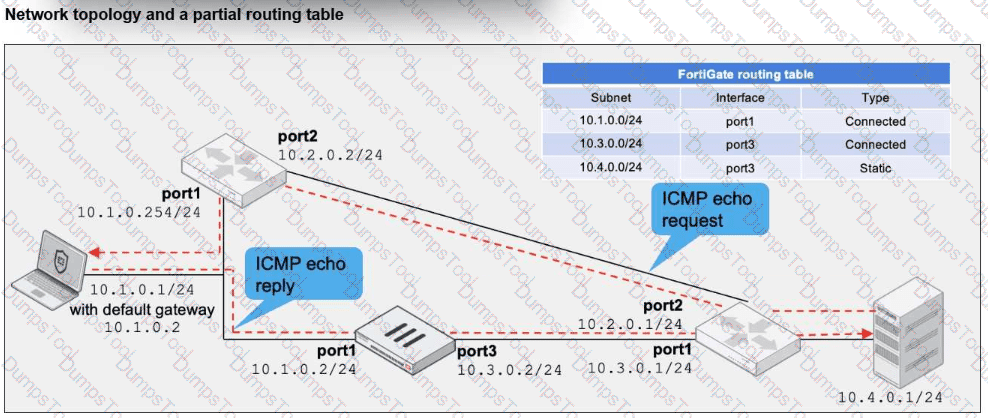
A network topology and a partial routing table are shown.
FortiGate has already been configured with a firewall policy that allows all ICMP traffic to flow from port1 to port3.
Which two changes can the administrator perform to ensure the server at 10.4.0.1/24 receives the ICMP echo reply from the laptop at 10.1.0.1/24? (Choose two.)
Refer to the exhibit, which shows the omitted output of a session table entry.

Which two statements are true? (Choose two.)
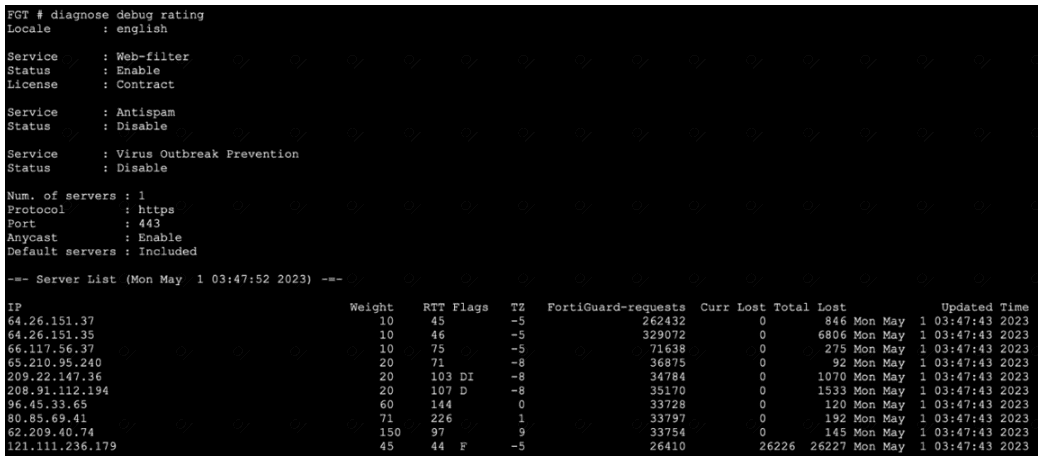
Refer to the exhibit, which shows the output of a diagnose command. What can you conclude from the RTT value?
Refer to the exhibits.
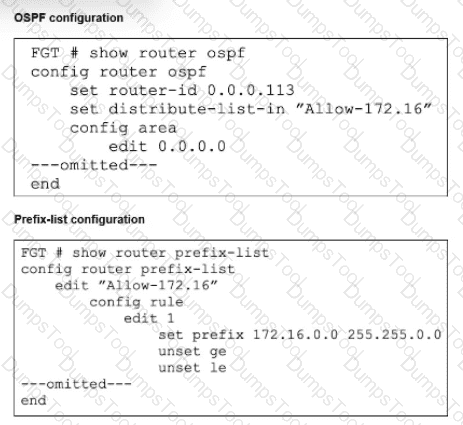
An OSPF peer is advertising route 172.16.52.0/24. The local FortiGate is configured with an inbound distribution list that allows the 172.16.0.0/16 network to be injected into its routing table. However, the 1 ' 2.16.52.0/24 subnet cannot be seen in the FIB.
Which two stops can the administrator of the local FortiGate take to ensure that the advertised 172.16. 52.0/24 subnet will be injected into the routing table? (Choose two.)
Refer to the exhibits.
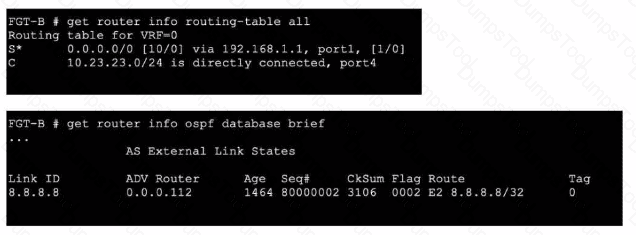
An administrator Is expecting to receive advertised route 8.8.8.8/32 from FGT-A. On FGT-B, they confirm that the route is being advertised and received, however, the route is not being injected into the routing table. What is the most likely cause of this issue?
In which two slates is a given session categorized as ephemeral? (Choose two.)
Refer to the exhibit, which shows a partial output of the fssod daemon real-time debug command.

What two conclusions can you draw from the output? (Choose two.)
Refer to the exhibit.
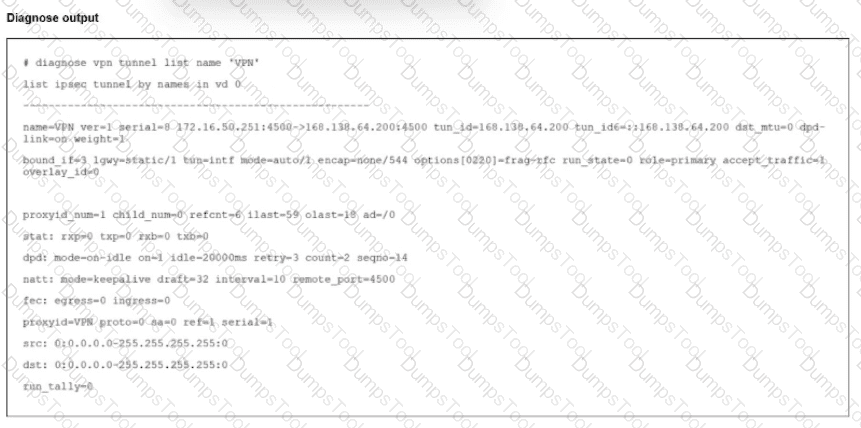
The output of the command diagnose vpn tunnels liar is shown.
Which two statements accurately describe the status of the tunnel? (Choose two.)
Refer to the exhibit, which shows the output of get router info ospf neighbor.
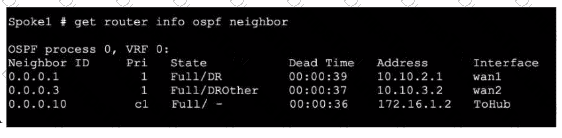
What can you conclude from the command output?
Exhibit.
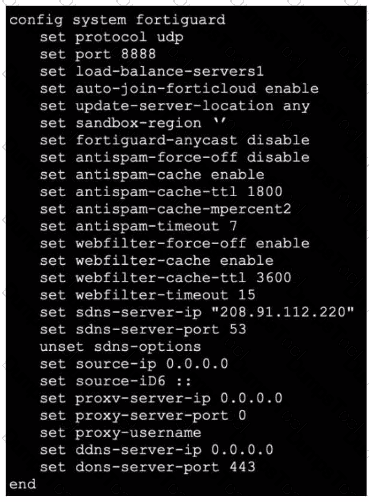
Refer to the exhibit, which shows a FortiGate configuration.
An administrator is troubleshooting a web filter issue on FortiGate. The administrator has configured a web filter profile and applied it to a policy; however the web filter is not inspecting any traffic that is passing through the policy.
What must the administrator do to fix the issue?

TESTED 06 Oct 2026